
Signage is a key part of our visual landscape, and there are many scenarios in which signage design has to take into account the unique character of its surroundings, such as when the area is historically important or heritage themed.
You may own a business in a historic town centre, you might be the custodian of a heritage site, or be a member of a local authority charged with preserving the atmosphere of a quaint village. Whatever the situation, understanding how to choose signage that enhances, rather than detracts from, the distinctive qualities of your building or area is hugely important – not least because getting it wrong could ruffle some feathers!
Why it pays to use sympathetic signage design in historic areas
Whether it’s a ruined castle or well-preserved city centre, historic buildings and areas are an important part of our culture, and evoke an undeniably powerful sense of bygone times. They are also something many people hold very close to their hearts, and who are deeply interested in their conservation.
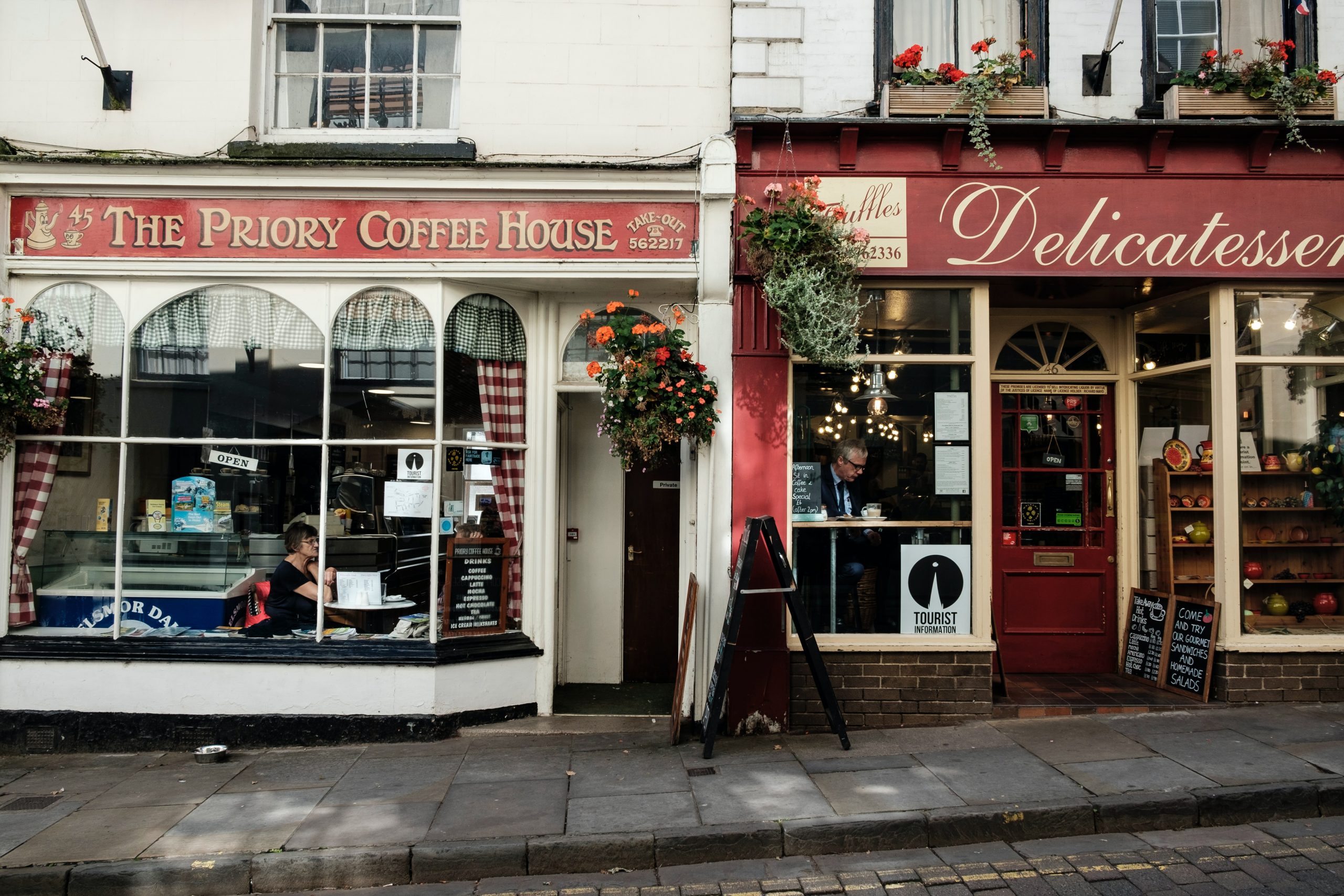
Creating signage that fits seamlessly into these environments is important for various reasons. Inappropriate shop front signage, adverts and traffic signage can all be viewed as detrimental to the historic environment, while signage which reflects the unique character of the area such as street name plates, antique painted advertisements and blue plaques are much-loved.
This isn’t just a matter of authenticity, however. People tend to understand that living environments need to change (even if the change is slow) and that sometimes aspects of that environment need to be modernised or replaced if they no longer work. It is the insensitive design, or thoughtless location, of new signage which can be perceived to harm the appearance of a historic area, rather than its existence at all.
It’s important to remember, however, that “sympathetic” needn’t mean “uncreative”. Like a stunning glass extension on a period home, or a piece of modern art in an aeons-old gallery, the design doesn’t necessarily need to be era-specific in order to work in a heritage space. In fact, when used expertly and sensitively, a bold or modern touch can bring the area to life.
Is There Legislation to be Taken Into Account?
There is a huge amount of diversity in the signage in historic urban areas, from traffic signs to shop awnings, and heritage properties often need directional and informational signage to enhance the experience of their visitors.
Naturally, the signage needs of a historic town with modern populations and pressures are going to be somewhat different to the guidance for a deliberately preserved building, and therefore the legislation involved varies. Here’s a broad overview of legislation concerning signage in the UK.
Legislation for historic properties
There is a variety of planning laws that protect listed buildings, and for certain historic properties and sites, there may be regulations from bodies such as the National Trust and English Heritage to take into account.
If signage needs to be attached to or on a listed building, it may be considered an “advert” under planning laws and require listed building consent. This is because, in the case of a building with special architectural or historic interest, it is very likely to be considered an alteration which might affect the building’s character.
In this context, according to the Town and Country Planning Act 1990, an advertisement is:
“Any word, letter, model, sign, placard, board, notice, awning, blind, device or representation, whether illuminated or not, in the nature of, and employed wholly or partly for the purposes of, advertisement, announcement or direction.”
Legislation concerning urban areas
Whether a small village or vibrant city street, historic areas where people actually live and work need to balance the needs of their current population and visitors with concerns regarding conservation. This is determined on a case-by-case basis, with planning authorities exerting a considerable amount of control that is largely at their own discretion.
The lack of hard-and-fast rules in planning laws for signage allows for flexibility, while also giving local authorities the means to enforce more exacting standards in conversation areas (of which there are around 10,000 in England alone).
Getting it right
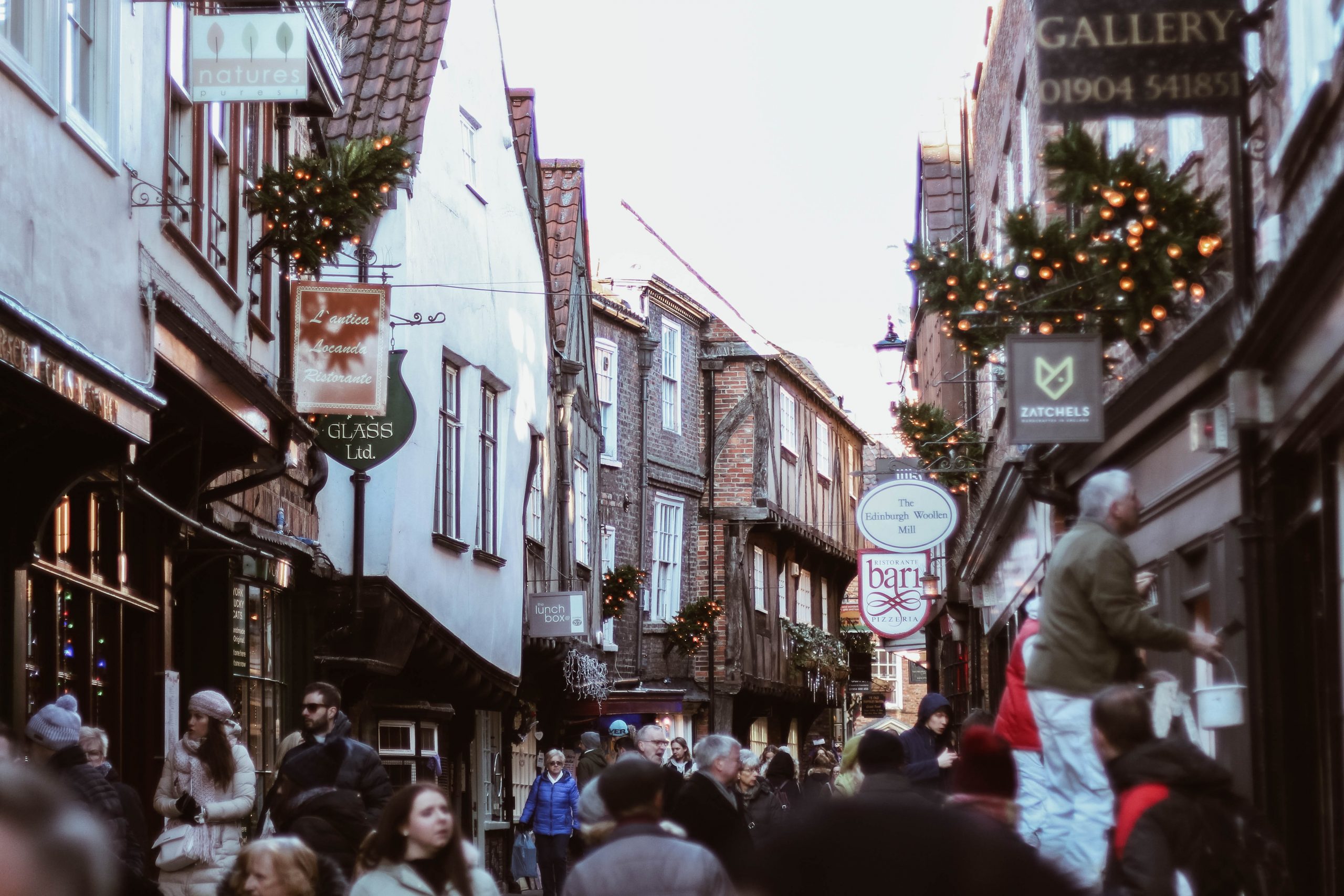
Creating signage in sensitive areas creates more layers of complexity in a scenario where, in other less historic areas, the primary considerations would be branding and relaying information. Signs at their heart are primarily messages – something registered differently in the human mind than an object such as a post box or street light – but it is also important to consider the impact of their physical qualities when designing for historic areas, whether that’s their size, placement or materials.
 |
A good example of how signage can enhance heritage architecture is the aforementioned Blue Plaque scheme, which was created in the 1860s when William Ewart MP suggested it to the House of Commons. No matter the era of building or style of its construction, the simple blue plaque roundel is a universally effective piece of signage that deepens the public’s appreciation of their surroundings. |
Questions to consider
Achieving signage that both improves on and works harmoniously with its environment requires a considerate and creative approach. Some questions to ask when designing signage for these (admittedly complex) situations include:
- Have you researched the area for a full understanding of its history and what makes it special?
- Have you added to the sense of place by creating signage which is informed by the landscape and architecture that surrounds it?
- Is your signage bold enough to be noticed but discrete and sympathetic enough not to stand out unappealingly in the landscape?
- Is the materials and proportions of your signage in keeping with (and respectful of) the building or streetscape?
- Does your lettering, colouring and design enhance the local distinctiveness and maintain the individuality of the area, avoiding, for example, standardised corporate imagery?
- Does the signage still serve your purpose, whether that’s advertising your brand or communicating important information?

Taking care in these matters not only helps you avoid any potential blowback from residents or the local council, it also helps you to become a part of the long line of history that defines these areas, adding something distinctively yours while protecting everything that makes the surroundings important.