
From early backlit signage innovations to today’s vibrant commercial lighted signs, learn about their history and how they can elevate your business presence.
From the humble but beautiful hand-drawn signs of yesteryear, to the unavoidably vibrant displays we see on a daily basis now (some of which have become tourist attractions in their own right), commercial signage has come a long way. In this article we will be taking you on a journey through the evolution of business signs. At the forefront of this evolution has to be the invention of backlit signage: a powerful tool for businesses looking to stand out from the crowd. Let us begin.

A Glimpse Backwards
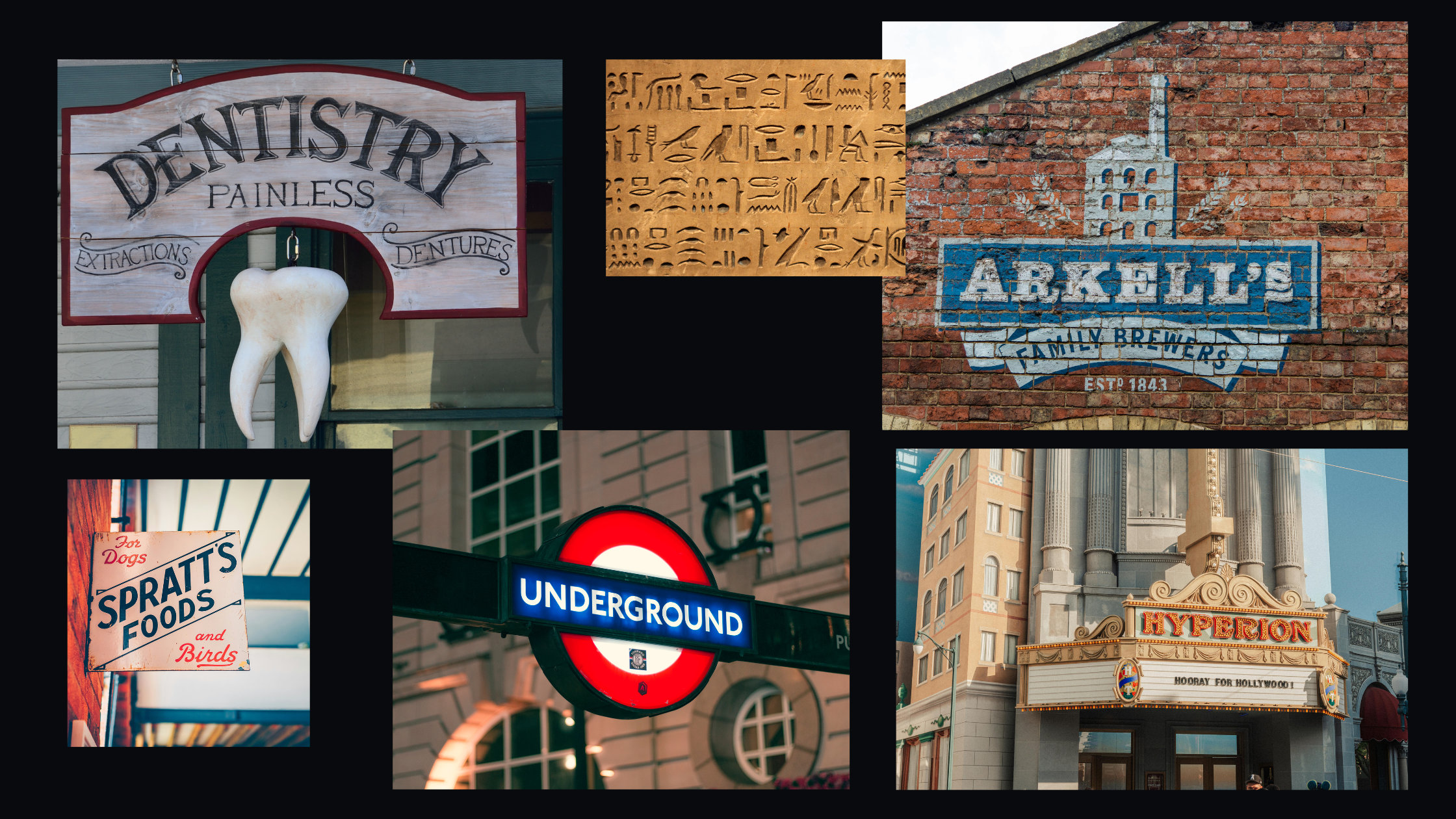
Long before the age of electricity and commercial lighted signs, shop keepers and the sellers of goods would use simple, often hand-painted, signs to attract customers, such as those found in Pompeii. But, in a time when literacy was low they relied on symbols and instantly recognisable imagery to display their businesses. Think of the barbers pole, the cobblers boots and the traditional swinging signs that adorn inns. This system goes back a lot further than you may think. To the Romans, for example, there was a widely known proverb of ‘good wine needs no bush’ which led to many taverns being marked out with a picture of a bush. Some are more obvious and related to the direct trade that the store keeper worked in: the glasses image for optometrists, or keys for locksmiths.
Towns were often busy, crowded places, and these early forms of signage were crucial in identifying the businesses, distinguishing them from the buildings around them. Signs were often made from wood, metal, or even stone, and relied on natural light to be visible. As time went on, these became more sophisticated and artistic, as the general public came to know the images and text associated with the different industries that used the signage.

Signmaking in the UK – a new art form
As with any business, you want to be seen as better than your rivals, and one way that you can display this is with superior signage. By the 16th century signmakers were already making a living from creating beautiful artisan signs for pubs, shops, inns and the like.
But the real era of elaborate, typographically elegant signage has to be the Victorian Era. Created using a mix of printed and hand painted lettering, this really was the age of more is more, where signage displayed almost paragraphs of text, in a wide array of fonts and styles, both with and without gilding for effect.
Let there be light: commercial lighted signs
The 20th century brought a seismic shift in signage design – spurred on as much by the rise in middle class households with disposable income, but also with the almost daily round of new inventions.
Mass production and the creation of new, exciting materials such as plastic and neon, heralded a golden age of easily manufactured signs for everything from the Las Vegas strip to the village corner shop. Signs were becoming more modern, slick and colourful – and most importantly – visible at night.
Neon signs were seen as a miracle invention and became a symbol of modernity and fun. They added an electric glow to many cityscapes, making them a place to explore after hours in a way like never before.
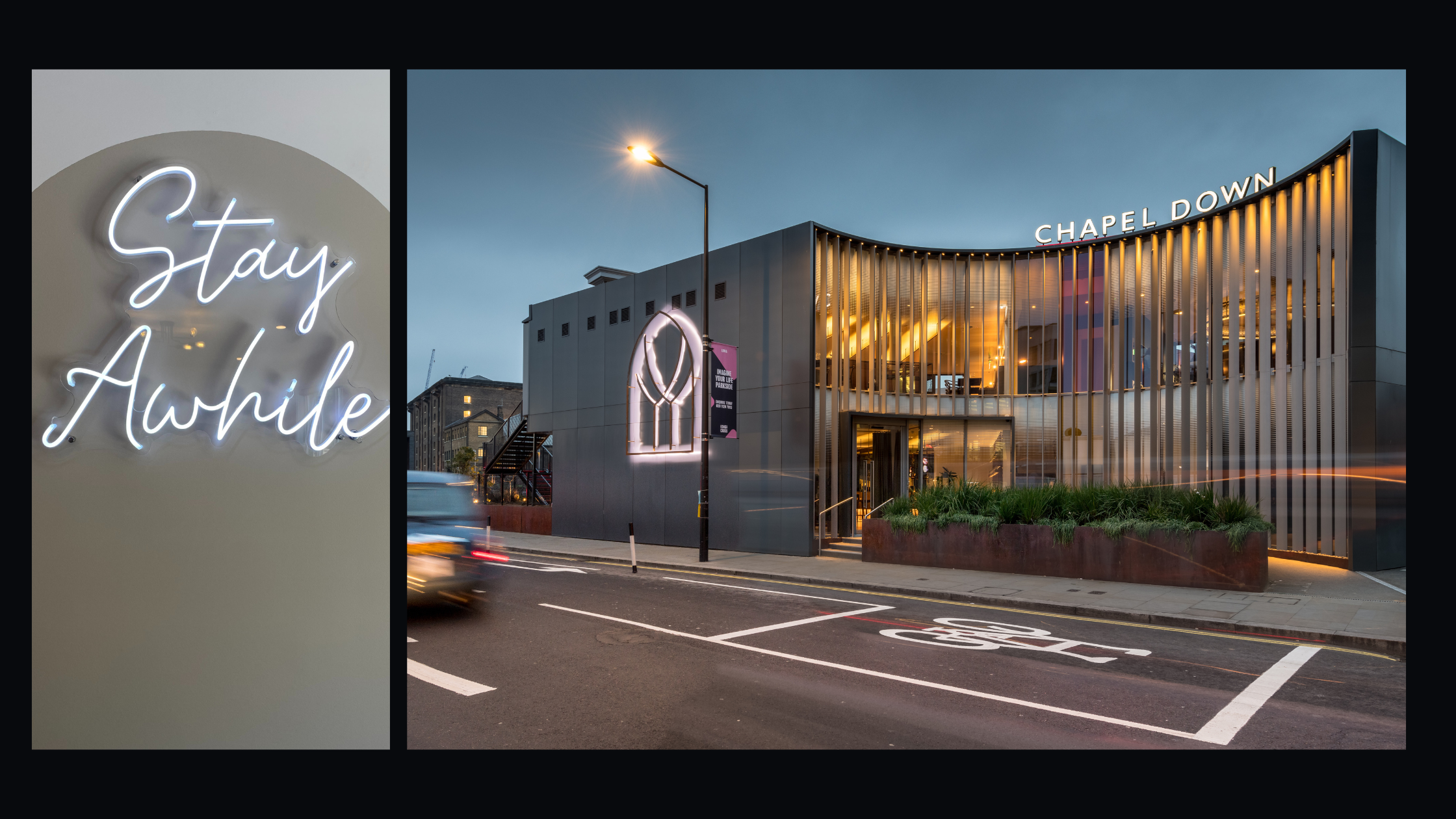
But on a smaller scale, the introduction of electric lighting was a game changer for signage across the board and paved the way for the backlit signage that we know today. Suddenly, even the smallest of establishments could advertise their wares and bring in customers around the clock. Lightbulbs and fluorescent tubes were incorporated into signage, making them visible 24/7 and changing the hours for shopping and entertainment forever.
The LED Revolution
While the introduction of commercial lighted signs may have been over a century ago, it is not something that stands still in terms of innovation. Ever since the world has woken up to the need for sustainable forms of energy and the effect that older technologies have on the environment, signage companies have been looking for ways to make their signs more green – both in terms of efficiency and production. They contain no mercury, and emit less heat than traditional bulbs.
This led to a shift from traditional lighting methods to LED (light emitting diodes) technology, the energy efficiency of which is nothing short of remarkable. Compared to what came before, LEDs consume significantly less energy which results in lower running costs for the businesses themselves. Less energy is good for the environment, but LEDs are eco friendly in another way too: they have an incredibly long lifespan, lasting tens of thousands of hours, making them less likely to end up in landfill. This durability is also a positive when used for hard to reach places, such as outdoor backlit signage, as this reduces the need for frequent maintenance and replacements.
There are design positives to LEDs too, as they are a lot smaller than light bulbs or tubing, LEDs have enabled designers to create thinner, brighter and more dynamic signage, which can be integrated in a wide range of settings – especially good for mall signage where space is at a premium but you still want to stand out. The ability to control individual LEDs also opens up possibilities for animated graphics and colour-changing effects, adding a touch of visual flair. Not sure whether to opt for Neon or LED signage? Read this.
Backlit Signage is About More than Light
The evolution of backlit signage isn’t just about lighting; it’s also very much about the materials used to create the displays themselves – known in the profession as the substrate. The choice of material plays a crucial role in the overall look and feel of a backlit sign, and in turn the overall message of the company displaying the sign. The substrate will affect the light diffusion, colour vibrancy, and durability of the display. Over the years, advancements in material technology have led to the development of lighter, stronger, and more versatile options. Here are a few of the most popular:
Acrylic (sometimes also known as Perspex) is a hugely popular choice for backlit signage due to its amazing light transmission and durability – especially important in locations where the public may come into contact with the sign, or if it is exposed to degrading elements. It’s available in a range of colours and finishes, allowing for a high degree of customisation. It’s fairly robust, and easy to clean.
Polycarbonate is another widely used material, particularly for outdoor/external applications. It’s incredibly strong and impact-resistant, making it ideal for withstanding harsh weather conditions, and will remain visible in the toughest of locations. It is also more flexible than acrylic, and less likely to shatter.
Fabric backlit signage is gaining popularity, especially for indoor displays. Fabric graphics offer a soft, elegant look and can be easily changed, making them ideal for promotional campaigns. The fabric also diffuses the light very evenly, which creates a very high quality look. Plus, it’s biodegradable!
Practical Applications of Backlit Signage
Some locations have become so iconic with their backlit signage, that they are tourist attractions in their own right, such as the Moulin Rouge in Paris or Times Square of New York and Piccadilly Circus in London.
Here are some more down-to-earth examples of where you might find practical examples of backlight signage:
- Cinema light boxes
- Fast food menus
- Retail storefronts
- Outdoor advertising
- Transportation hubs, especially in airports
Final Thoughts
Backlit signage is a versatile and effective advertising solution for businesses of all sizes, and is just the latest in a long history of signmaking innovation.
Whether you’re looking to attract customers, enhance your brand image, or simply make your business more visible, Medash Signs are here to help you create unique backlit signage – it really is a bright idea for everyone. Interested in investing in commercial lighted signs for your business? Get in touch today; we would love to help you make them a reality.